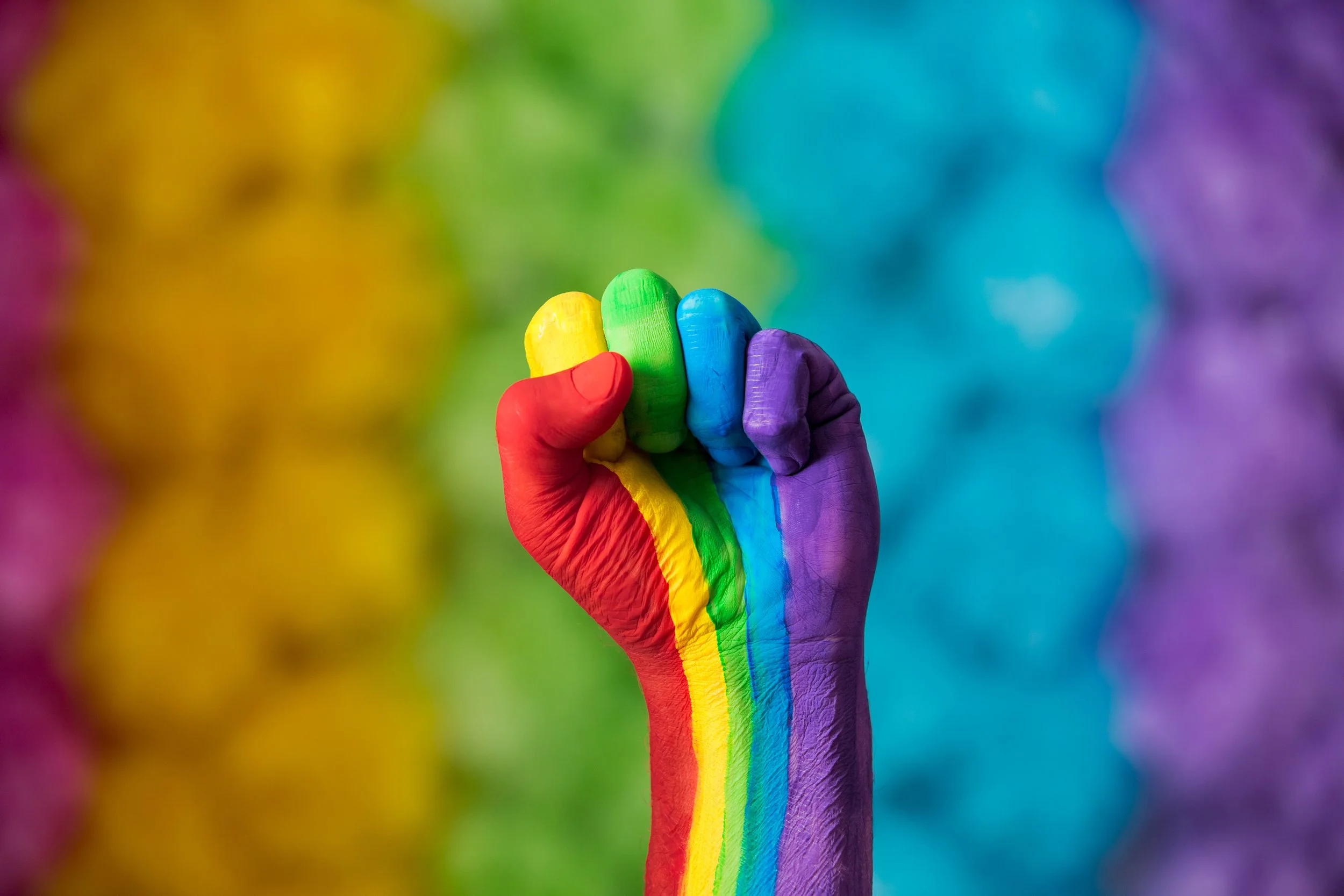
What is Intersectionality and Why Does It Matter?
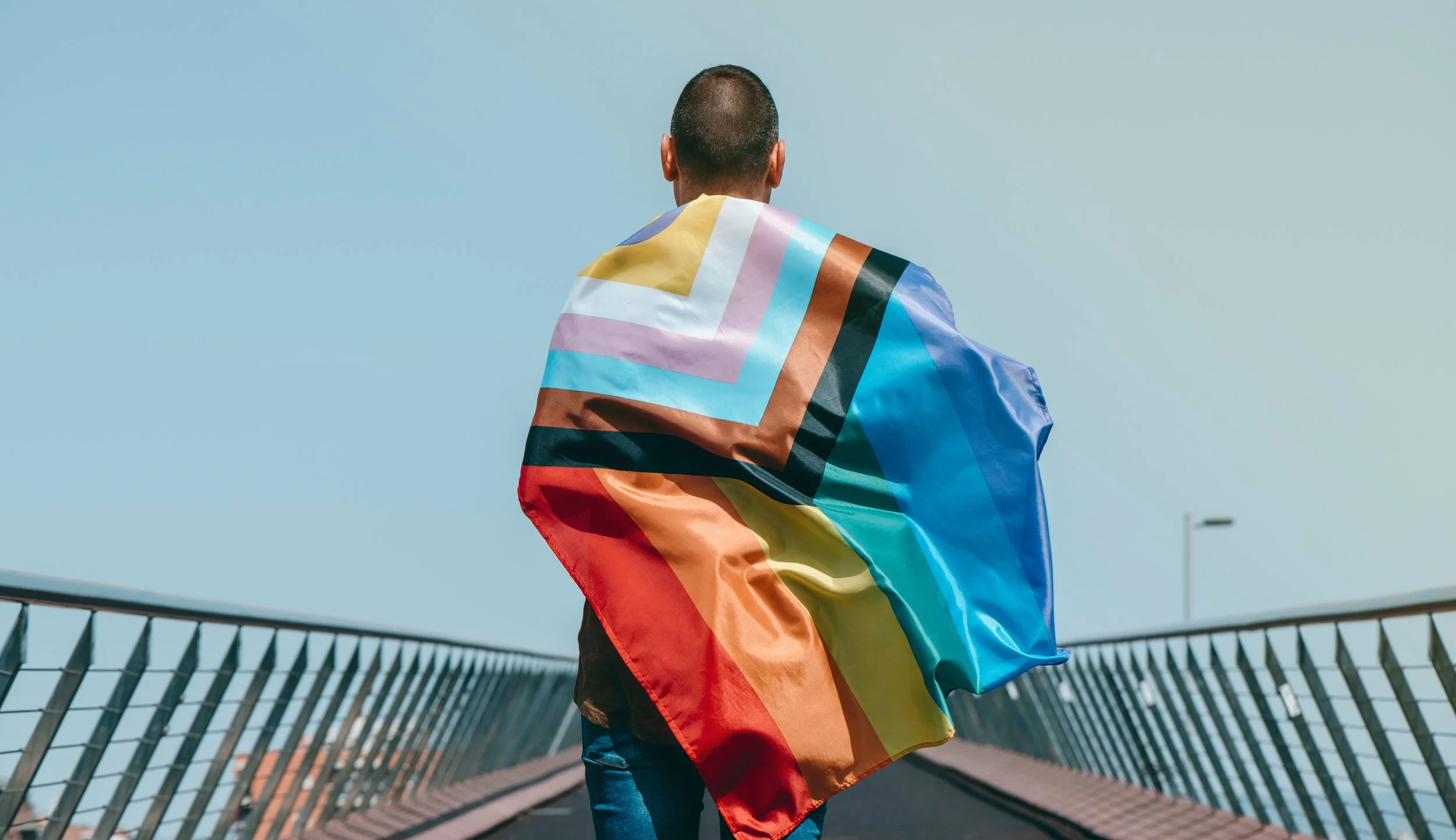
There are countless aspects of a person’s life that shape who they are. Race, religion, cultural background, upbringing, and the expectations society places upon us all contribute to our lived experience. The LGBTQIA+ community has always been a vibrant tapestry of people and identities, each thread adding its own color and strength. And like any tapestry, you cannot honor its beauty by focusing on only one thread. The power of the whole comes from the way each piece is woven together.
Webster’s Dictionary defines intersectionality as “the interconnected nature of social categorizations such as race, class, and gender as they apply to a given individual or group.” These overlapping identities shape how each of us experiences discrimination, opportunity, and privilege.
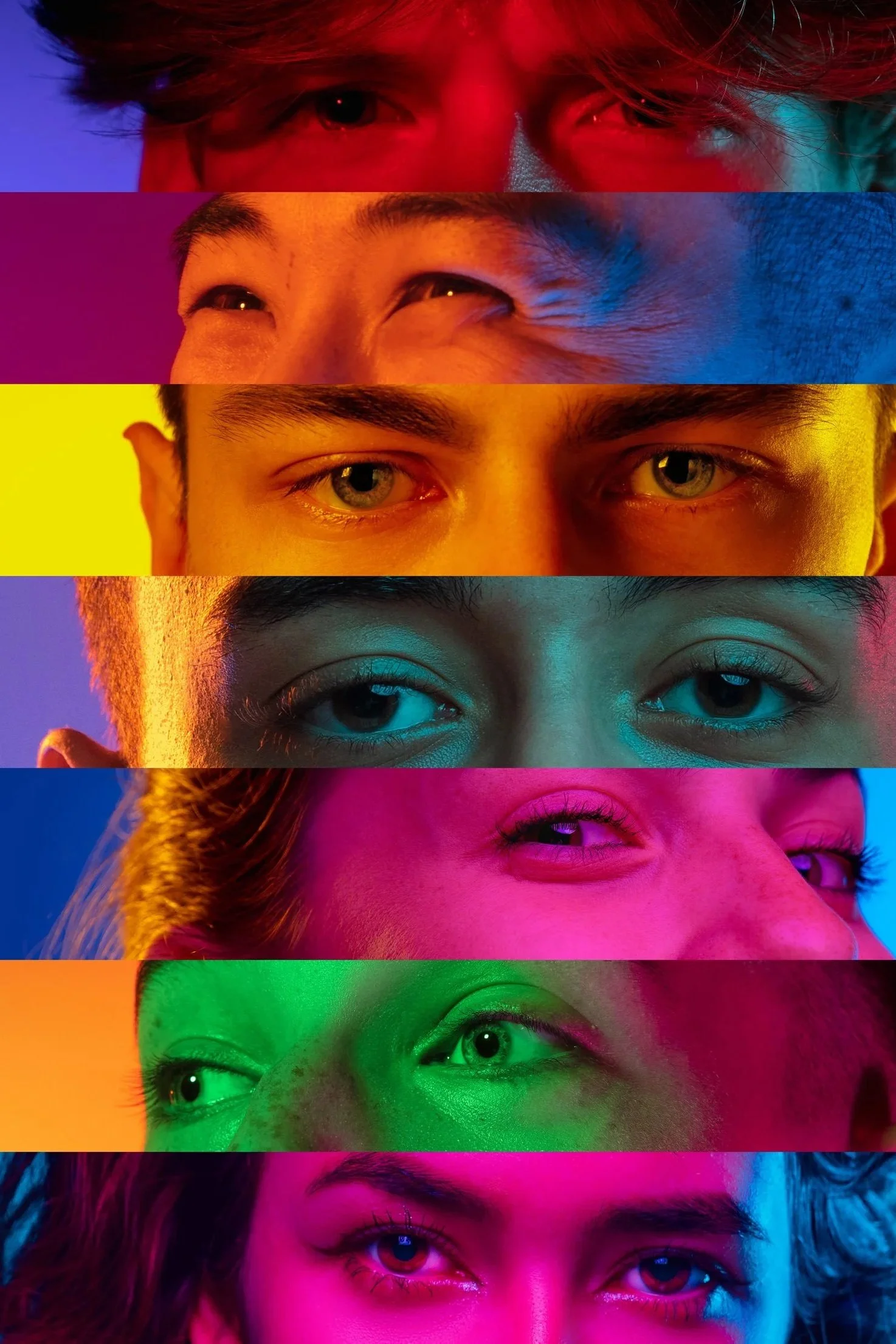
Personally, I identify as a gay Latino man. Intersectionality asks us to understand that my experience cannot be defined by only one of those identities. It is not simply the experience of being gay, nor only the experience of being Latino—it is both, existing together and shaping my life simultaneously. At the same time, I also recognize that as a man, I experience male privilege. Viewing the world through an intersectional lens allows us to acknowledge these complexities. It helps organizations and individuals better understand how systems of privilege and oppression operate at the same time, and it allows us to build advocacy that is more thoughtful, more effective, and more inclusive.
At this moment in our history, the very idea of inclusion is increasingly dismissed as “woke nonsense.” Diversity, Equity, and Inclusion are spoken about as if they are threats rather than values. But the truth is exactly the opposite. When we embrace diverse communities and perspectives, we do not weaken our institutions—we strengthen them. We expand our understanding of one another, and we deepen our connection to the world around us.
Inclusivity means keeping the door open to everyone. Equity challenges us to ensure that door is truly accessible. And intersectionality reminds us that each person who walks through that door carries a unique set of experiences that deserve to be seen, respected, and understood.
But understanding alone is not enough.
Intersectionality calls us to act. It asks us to challenge systems that exclude, to amplify voices that have been pushed to the margins, and to stand in solidarity with communities whose struggles may look different from our own. It asks us to be curious, to listen deeply, and to remain committed to building spaces where every person feels they belong.
As members of the LGBTQIA+ community, we know that progress has never come from silence or complacency. It has come from people who were willing to stand up, speak out, and insist on a more just and compassionate world.
So I ask each of us to carry that spirit forward. Advocate for one another. Defend inclusion when it is questioned. Celebrate the diversity within our community not as a challenge, but as our greatest strength.
Because when we truly honor the full tapestry of who we are—every identity, every story, every voice—we do more than support one another.
We build a community that is resilient, united, and impossible to ignore.
And that work belongs to all of us.
Brandon Chavez
Orange County LGBT Pride
Board President